
Science-Backed Supplement Manufacturing in India: How Ashwagandha, Curcumin & Omega-3 Are Setting Global Standards
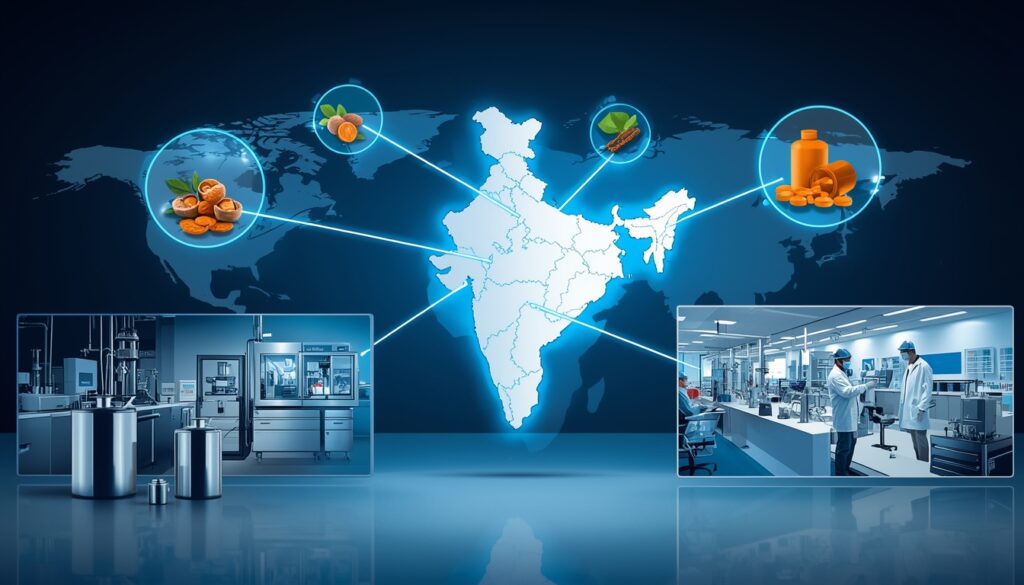
India has evolved from a traditional herbal source into a globally trusted hub for science-backed nutraceutical manufacturing. With growing clinical validation, pharmaceutical-grade processes, and strict regulatory compliance, Indian nutraceutical manufacturers now supply Ashwagandha, Curcumin, and Omega-3 supplements to regulated markets worldwide. At the center of this transformation are GMP-certified nutraceutical manufacturers in India, such as Livlong Nutraceuticals, who combine Ayurvedic knowledge with modern research, standardized extraction, and international quality benchmarks. Why Science-Backed Supplements Are Driving India’s Nutraceutical Growth Consumer demand has shifted from generic supplements to clinically validated, evidence-based formulations. Ingredients once rooted in traditional medicine are now supported by peer-reviewed research and standardized manufacturing. This convergence of science, safety, and scalability has accelerated India’s nutraceutical industry. Market analyses project that India’s Omega-3 supplement segment alone will nearly double by 2030, reflecting strong long-term demand. Ashwagandha Supplement Manufacturing in India: From Ayurveda to Clinical Validation India is the world’s primary source of Ashwagandha, but modern leadership depends on standardization and scientific credibility, not raw supply. At international forums such as the WHO Summit (2025), experts emphasized: How Leading Manufacturers Ensure Quality Reputed Ashwagandha supplement manufacturers in India, including Livlong, follow pharmaceutical-grade processes: Backed by its parent company Arjuna Natural, Livlong integrates decades of botanical research and clinical trials, strengthening credibility and trust. Certification under India’s Ayush Mark further confirms regulatory compliance and quality assurance. Curcumin Supplement Manufacturing in India: Global Leadership Through Standardization India produces over 75% of the world’s turmeric, positioning it as a global leader in curcumin supplement manufacturing. However, international markets demand purity, consistency, and traceability—not just volume. Advanced Curcumin Manufacturing Process Top nutraceutical manufacturers in India follow internationally accepted methods: Manufacturers like Livlong Nutraceuticals focus on export-ready curcumin formulations that meet regulatory expectations in the US, EU, and other regulated markets, reinforcing India’s reputation for quality-driven nutraceuticals. Omega-3 Softgel Manufacturers in India: Meeting Global Cardiovascular Health Demand Omega-3 supplements represent one of the fastest-growing nutraceutical categories in India, driven by rising lifestyle-related health concerns and preventive healthcare awareness. Industry projections estimate growth from $90 million in 2023 to approximately $175 million by 2030. GMP-Certified Omega-3 Manufacturing Standards Leading Omega-3 softgel manufacturers in India, such as Livlong Nutraceuticals, operate fully integrated GMP facilities with: Compliance with FSSAI, ISO, HACCP, and GMP certifications ensures both domestic safety and international export readiness. Regulatory Frameworks Strengthening Trust in Indian Nutraceuticals India’s nutraceutical credibility is reinforced by evolving regulatory and quality frameworks, including: These measures enhance transparency, traceability, and global acceptance of Indian-made supplements. Conclusion: Building Global Trust Through Science, Quality & Compliance India’s nutraceutical industry now represents a mature, research-driven ecosystem rather than a traditional herbal supply chain. Through GMP-certified infrastructure, clinical validation, and strict quality control, Indian manufacturers are setting new global benchmarks. Companies like Livlong Nutraceuticals exemplify this shift—delivering Ashwagandha capsules, standardized curcumin extracts, and Omega-3 softgels that meet international standards for safety, efficacy, and consistency. As demand for preventive, science-backed health solutions continues to rise, India is firmly positioned as a global leader in nutraceutical manufacturing.
Which is Healthier Curcumin or Turmeric
Have you ever wondered that curcumin and turmeric, both come from the same root, yet their roles in health differ? Let’s have a look. We are the Curcumin Supplement Manufacturing in India we are here to expalin the diffrence between Turmeric and Curcumin. Understanding Turmeric Turmeric is a golden spice from the root of Curcuma longa. For centuries, it has flavoured food and healed bodies in Ayurveda. This bright spice carries many compounds including curcuminoids, turmerones and essential oils. But here’s the catch: turmeric contains only 2–8% curcumin, the main bioactive compound. That means turmeric alone may not be enough if you are chasing specific therapeutic benefits. What Exactly is Curcumin? Curcumin is the star ingredient in turmeric. It is the compound that brings strong anti-inflammatory, antioxidant and metabolic health benefits. Scientists call it a “curcuminoid” and it’s the powerhouse that makes turmeric so effective. The raw material of curcumin is none other than turmeric itself. The root undergoes extraction and refinement to deliver concentrated curcumin used in supplements, nutraceuticals and even functional foods. Curcumin vs. Turmeric: What’s the Difference? Both curcumin and turmeric promote health, but they act differently. Turmeric (Whole Spice): Provides a blend of compounds that work together. Useful for daily wellness and gentle support. Needs black pepper or healthy fats to boost absorption. Curcumin (Concentrated Extract): Offers higher potency in small doses. Often paired with piperine for strong absorption. Targets specific health concerns like joint pain, chronic inflammation and blood sugar balance. So, is one better than the other? The answer depends on your goal. Want broad wellness support? Use turmeric in your meals. Need strong therapeutic results? Opt for a curcumin supplement Why Absorption Matters One of the biggest challenges with turmeric is bioavailability. Eating raw turmeric without enhancers means your body absorbs very little curcumin. That’s why supplement makers combine curcumin with black pepper extract or advanced delivery systems. These steps help your body actually use what you consume. This is where modern curcumin supplement manufacturing in India makes a big difference. Indian nutraceutical companies like LivLong and its mother compant Arjuna Natural lead the way in extraction technologies that enhance bioavailability, making curcumin far more effective. Health Benefits of Turmeric and Curcumin Both turmeric and curcumin carry impressive benefits. Let’s see how they support different health goals: Turmeric: Supports digestion and liver function. Provides mild anti-inflammatory benefits. Acts as a natural antioxidant. Strengthens immunity as part of daily meals. Curcumin: Eases chronic inflammation and arthritis pain. Helps balance blood sugar and supports heart health. Enhances brain health and mood. Protects against oxidative stress at a cellular level. Raw Material of Curcumin: The Turmeric Root The foundation of every curcumin supplement is turmeric root. It is part of the ginger family. Farmers grow turmeric in India’s fertile soils and its rhizomes are harvested. It is then cleaned, dried and processed through advanced extraction to isolate curcumin from the root. This process turns a humble spice into a powerful nutraceutical ingredient. Without turmeric, there is no curcumin. Curcumin Supplement Manufacturing in India India is the world’s largest producer of turmeric and the leader in curcumin supplement manufacturing. Companies here combine traditional knowledge with cutting-edge technology. From farming to extraction, every step ensures high purity. Many global brands source their raw materials from Indian manufacturers because of strict quality standards and advanced labs. This makes India not just the home of turmeric but also the hub of modern curcumin innovation. Curcumin or Turmeric Which Should You Choose? Let’s answer the big question: which is healthier, curcumin or turmeric? The truth is, both are healthy, but in different ways: For daily use and broad benefits, turmeric spice is excellent. For targeted results, curcumin supplements deliver more power in smaller doses. Think of turmeric as a wholesome meal and curcumin as a precision tool. Your choice depends on your health goals. Final Thoughts Curcumin and turmeric are not rivals but partners in health. One provides gentle and broad benefits while the other delivers concentrated and targeted effects. Thanks to curcumin supplement manufacturing in India, the world can now enjoy this compound in its most effective form. Whether you choose turmeric spice for your daily meals or a standardized curcumin supplement for focused health needs, you are drawing from the same golden root that has been trusted for centuries. So, next time you ask, “Which is healthier: curcumin or turmeric?” remember—it’s not about one being better. It’s about choosing what fits your health goals. Frequently Asked Questions (FAQ)
